Electric cars are no longer just a trend—they’re becoming a smart, practical choice for millions of Americans. With rising gas prices, growing environmental awareness, and rapid improvements in technology, the shift toward an electric car feels almost inevitable.
But before you make the switch, it’s important to understand what you’re getting into. Buying an electric car is different from buying a traditional gas-powered vehicle, and making the right decision can save you money, time, and frustration in the long run.
Let’s break down the 7 most important things you should know before buying an electric car in the United States.
1. Understand Your Driving Needs
Before anything else, ask yourself a simple question: How do you actually drive?
If your daily commute is under 50 miles, most electric cars will easily handle that. But if you frequently go on long road trips, you’ll need a model with a higher range and access to fast charging stations.
Modern electric cars typically offer anywhere between 200 to 400 miles on a full charge. That’s more than enough for most daily use—but planning matters for longer journeys.
2. Charging Infrastructure Matters
Charging is one of the biggest differences between gas cars and electric cars.
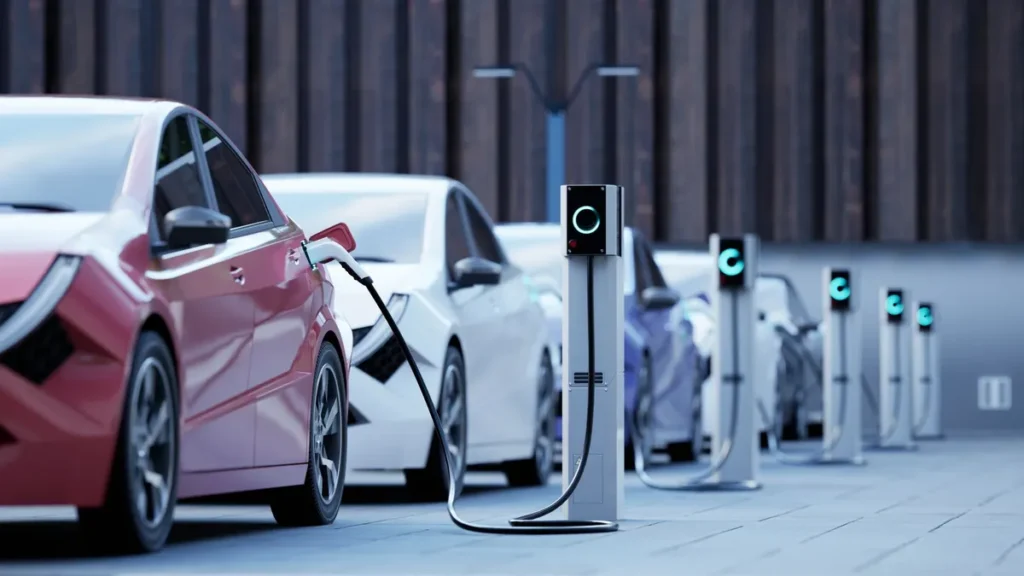
In the U.S., charging infrastructure is growing fast, but it still varies by location. Cities and suburbs tend to have more public charging stations, while rural areas may have fewer options.
There are three main types of charging:
- Level 1 (Home outlet): Slow, but works overnight
- Level 2 (Home or public): Faster, ideal for daily use
- DC Fast Charging: Very fast, best for road trips
If you own a home, installing a Level 2 charger is a game-changer. If you live in an apartment, check if charging is available before buying.
3. Upfront Cost vs Long-Term Savings
Electric cars can be more expensive upfront compared to gas vehicles. But don’t stop there—look at the bigger picture.
You’ll save money on:
- Fuel (electricity is cheaper than gasoline)
- Maintenance (no oil changes, fewer moving parts)
- Repairs (generally lower over time)
Plus, in the U.S., you may qualify for federal tax credits of up to $7,500, depending on the model and your eligibility. Some states also offer additional incentives.
So while the initial price might feel high, the total cost of ownership can actually be lower.
4. Battery Life and Warranty
One of the most common concerns is battery life.

Here’s the reality: electric car batteries are built to last. Most manufacturers offer warranties of 8 years or 100,000 miles (sometimes more).
Over time, the battery may lose a small percentage of its capacity, but it usually doesn’t fail suddenly. For most users, the battery will last as long as the car itself.
Still, it’s smart to check:
- Warranty coverage
- Replacement costs
- Brand reliability
5. Charging Time vs Convenience
Unlike filling up a gas tank in 5 minutes, charging an electric car takes time.
At home, charging overnight is the most convenient option—you wake up every morning with a full “tank.” That’s something gas cars can’t offer.
On the road:
- Fast chargers can give you 60–80% charge in about 20–40 minutes
- Regular chargers may take several hours
If you plan ahead, charging becomes part of your routine instead of a hassle.

6. Performance and Driving Experience
This is where electric cars really shine.
Electric motors deliver instant torque, which means quick acceleration and a smooth, quiet ride. Many drivers say once they switch to an electric car, they don’t want to go back.
Other benefits include:
- No engine noise
- Smooth handling
- Lower center of gravity (better stability)
Whether you’re commuting, driving in the city, or cruising on highways, the experience feels modern and refined.
7. Environmental Impact
One of the biggest reasons people choose an electric car is to reduce their carbon footprint.
Electric cars produce zero tailpipe emissions, which helps reduce air pollution. In the U.S., where electricity is increasingly generated from renewable sources like wind and solar, the environmental benefits are growing every year.
However, it’s worth noting:

- Battery production has an environmental cost
- Recycling systems are still improving
Even with these factors, electric cars are generally much cleaner than gasoline vehicles over their lifetime.
Final Thoughts
Buying an electric car is not just about switching vehicles—it’s about changing the way you think about driving.
If you have access to charging, a predictable driving routine, and want to save money over time, an electric car can be one of the smartest decisions you make.
But it’s not a one-size-fits-all solution. Take your time, research your options, and choose a model that fits your lifestyle—not just the trend.
The future of transportation in the United States is clearly electric. The only question is: Are you ready to make the switch?