India’s electric vehicle market is entering a new phase. What started with small, city-focused cars is now evolving into something bigger, smarter, and more practical.
Today, Entry-level EV cars in India are no longer just about affordability — they are about offering a complete driving experience.
In the next 2–3 years, three upcoming sub-compact electric vehicles are expected to completely reshape this segment.
These cars are not just budget-friendly options but are being designed as compact SUVs with better range, advanced features, and wider usability.
Let’s understand how these three EVs could redefine the future of entry-level electric mobility in India.
The Shift in Entry-Level EV Cars in India
Earlier, entry-level EVs like the MG Comet EV or Tata Tiago EV were mainly built for short city drives. They were compact, efficient, and affordable — but often lacked range, power, and features.
Now, things are changing.
Automakers are focusing on:
- Better real-world range
- Improved battery efficiency
- SUV-inspired design
- Modern tech features
This means buyers no longer have to compromise when choosing budget EVs.
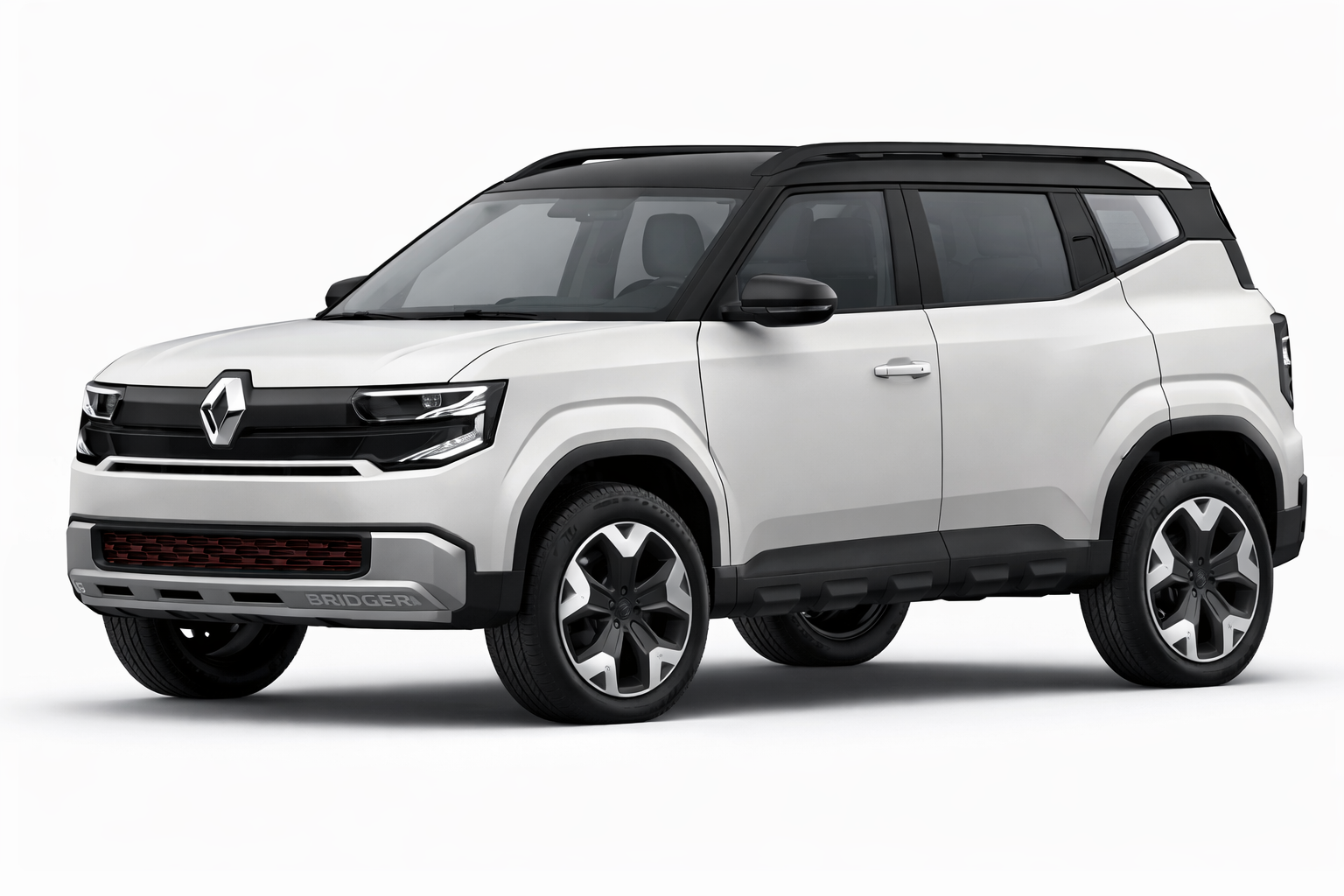
1. Renault Bridger EV
The Renault Bridger EV is expected to be one of the most affordable sub-compact electric SUVs in India.

Key Highlights:
- Expected price: ₹6–10 lakh
- Compact SUV design
- Designed for Indian roads and conditions
- Focus on affordability + practicality
This EV could become a game-changer for first-time buyers. Unlike traditional small EVs, it aims to offer a more “complete car” experience with SUV styling and usable range.
For buyers looking for Entry-level EV cars in India, this could be the perfect balance between price and performance.
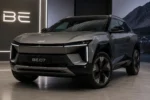
2. Hyundai Compact EV (Made-for-India)
Hyundai is working on a new compact electric vehicle specifically for the Indian market. This shows how serious global brands are about India’s EV growth.
Key Highlights:
- Likely positioned below Hyundai Creta EV
- Advanced battery technology
- Premium interior and features
- Strong brand reliability
Hyundai’s strength lies in offering premium features even in smaller cars. This EV is expected to bring:
- Better infotainment
- Connected car technology
- High-quality interiors
This will raise expectations in the entry-level EV segment.
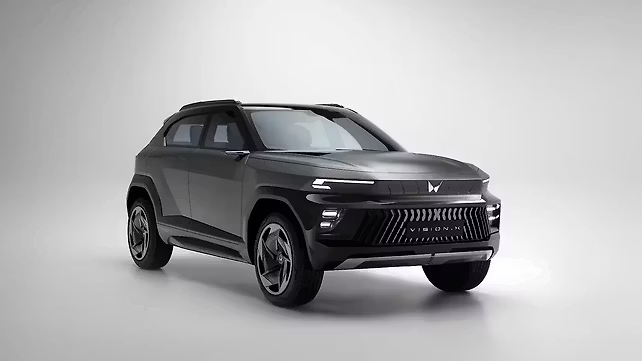
3. Mahindra Vision X (Production Version)
Mahindra’s Vision X is another exciting upcoming EV that could disrupt the segment.
Key Highlights:
- Expected price: ₹11–18 lakh
- Futuristic SUV design
- Focus on performance and range
- Built on next-gen EV platform
Mahindra has already proven its EV capability with models like Nexon EV rivals. With Vision X, the company is aiming to push innovation even further.
This EV could attract buyers who want:
- Strong performance
- Modern design
- Long driving range
Why These EVs Matter
These three EVs represent a major shift in the market.
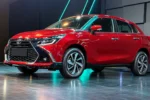
1. Better Range & Efficiency
Earlier entry-level EVs often struggled with range. Now, improved battery technology and energy management systems will provide more practical driving distances.
2. SUV Design Preference
Indian buyers prefer SUVs. These upcoming EVs are designed as compact SUVs, making them more appealing.
3. Feature-Rich Experience
Expect features like:
- Large touchscreens
- Connected car tech
- Advanced safety systems
This makes them feel less like budget cars and more like premium vehicles.
Current Entry-Level EV Market vs Future
Today’s market includes cars like:
- MG Comet EV (ultra-compact city car)
- Tata Tiago EV (budget hatchback)
These are great for city use but limited in versatility.
In contrast, upcoming EVs will offer:
- Better highway capability
- More space
- Improved comfort
This shift will attract a wider audience.
Pricing Strategy: Key to Success
One of the biggest factors will be pricing.
Affordable EVs in India are already entering the ₹7–10 lakh range, making them competitive with petrol cars.
If these new sub-compact EVs are priced correctly:
- EV adoption will increase rapidly
- More middle-class buyers will switch to electric
Challenges Still Exist
Despite the excitement, some challenges remain:
1. Charging Infrastructure
Charging stations are growing, but still limited in smaller cities.
2. Battery Cost
Even with improvements, batteries remain expensive.
3. Range Anxiety
Buyers still worry about long-distance travel.
However, with better technology and government support, these issues are gradually improving.
The Future of Entry-Level EV Cars in India
The next wave of EVs will not just be cheaper — they will be smarter, more efficient, and more desirable.
These three sub-compact EVs show that:

- Entry-level does not mean basic anymore
- Buyers will get more value for money
- EVs will become mainstream in India
This transformation could redefine how Indians look at electric mobility.
Conclusion
India’s EV market is at a turning point. The upcoming Renault Bridger EV, Hyundai’s compact EV, and
Mahindra Vision X are not just new cars — they represent the future of affordable electric mobility.
For anyone considering Entry-level EV cars in India, it might be worth waiting for this new generation of sub-compact EVs.
They promise better range, modern features, and SUV practicality — all at a price that fits the mass market.
The entry-level EV segment is no longer about compromise. It’s about smart choices, better technology, and a cleaner future.