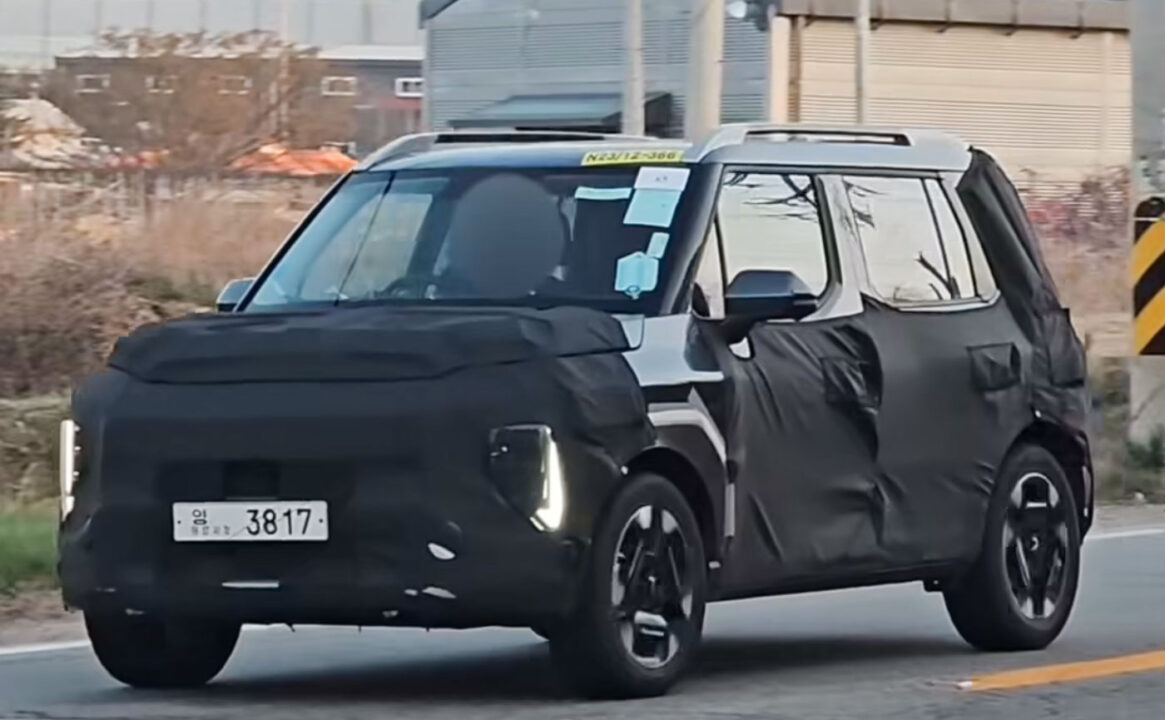
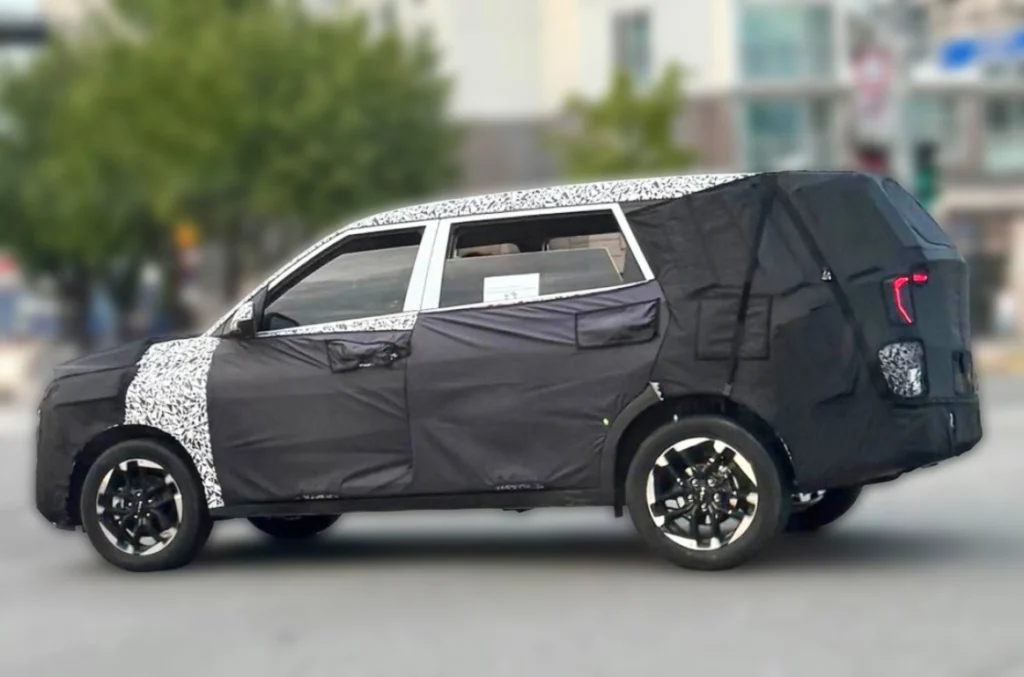
India’s electric vehicle (EV) market is heating up, and Hyundai is clearly not planning to stay behind. The brand’s upcoming compact electric SUV has been spotted testing once again on Indian roads, and this time, it reveals more than ever before. For buyers who are waiting for an affordable yet stylish electric SUV, this could be one of the most exciting launches of the next year.
Let’s break down everything we know so far in a simple, real-world way.
A Familiar Shape, But Fully Electric,
From the latest spy shots, the upcoming Hyundai compact EV looks heavily inspired by global models like the Hyundai Kona Electric and some design cues from newer EV concepts. But don’t expect it to be a direct copy.
This SUV is being designed keeping Indian roads and buyers in mind. The size appears compact—perfect for city driving—yet it still carries that bold SUV stance. You get a slightly raised height, chunky body cladding, and a modern silhouette that feels premium without being oversized.
Even under camouflage, a few details stand out:
- Sleek LED DRLs (likely connected design)
- Closed front grille (common in EVs)
- Aerodynamic alloy wheels
- Clean and futuristic rear design
Hyundai knows Indian buyers love “road presence,” and this car seems to deliver that without going over the top.
Built for Indian Conditions,
One thing Hyundai has learned from its success in India is this: a car must be practical first, stylish second.

This compact electric SUV is expected to be built on a localized EV platform or a modified version of Hyundai’s global architecture. That means:
- Better ground clearance for bad roads
- Strong suspension tuning for Indian conditions
- Competitive pricing thanks to local manufacturing
This is important because EV adoption in India depends heavily on affordability and usability—not just looks.
Expected Range and Battery Performance,
Now let’s talk about what really matters in an EV: range.
While Hyundai hasn’t officially revealed specs yet, industry expectations suggest:
- Battery pack: Around 35–45 kWh
- Range: 300–400 km (real-world, not just claimed)
This range is actually perfect for most Indian users. Daily city driving, office commutes, and even occasional highway trips can be handled easily without constant charging stress.
Fast-charging support is also expected, meaning:

- 10% to 80% charge in under an hour (with DC fast charger)
For someone switching from petrol to electric, this makes the transition much smoother.
Interior: Smart, Clean & Tech-Focused,
If there’s one area where Hyundai rarely disappoints, it’s interiors—and this SUV should be no different.
Even though test cars hide the cabin, we can expect:
- Dual-screen setup (instrument cluster + infotainment)
- Wireless Android Auto & Apple CarPlay
- Touch-based climate controls
- Premium upholstery (possibly eco-friendly materials)
Hyundai has been focusing a lot on “connected cars,” so features like:
- Remote vehicle tracking
- Battery status via mobile app
- Smart charging alerts
are almost guaranteed.
This isn’t just a car—it’s going to feel like a smart device on wheels.

Safety Will Be a Big Focus,
Indian buyers are now more aware of safety than ever before, and Hyundai understands that shift.
The new compact electric SUV is expected to include:
- 6 airbags as standard
- ABS with EBD
- Electronic Stability Control (ESC)
- Rear parking camera & sensors
There’s also a chance Hyundai could introduce basic ADAS (Advanced Driver Assistance Systems) features in higher variants, which would be a big deal in this segment.
Pricing Strategy – The Real Game Changer,
Let’s be honest—price will decide everything.
Currently, EVs in India are either:
- Too expensive (like premium SUVs), or
- Too basic (entry-level small EVs)
Hyundai seems to be targeting the sweet spot.

Expected price range:
- ₹12 lakh to ₹18 lakh (ex-showroom)
If Hyundai manages to hit this range, it could directly challenge cars like:
- Tata Nexon EV
- Upcoming budget EV SUVs
And knowing Hyundai’s brand value, service network, and reliability, this SUV could become a top choice very quickly.
Why This Car Matters for India,
This is not just another car launch—it’s a signal.
India is moving toward electric mobility, but people still hesitate because of:
- Range anxiety
- High prices
- Lack of trust in new technology
Hyundai entering the compact EV SUV segment seriously changes the game. It brings:
- Trust of a global brand
- Proven technology