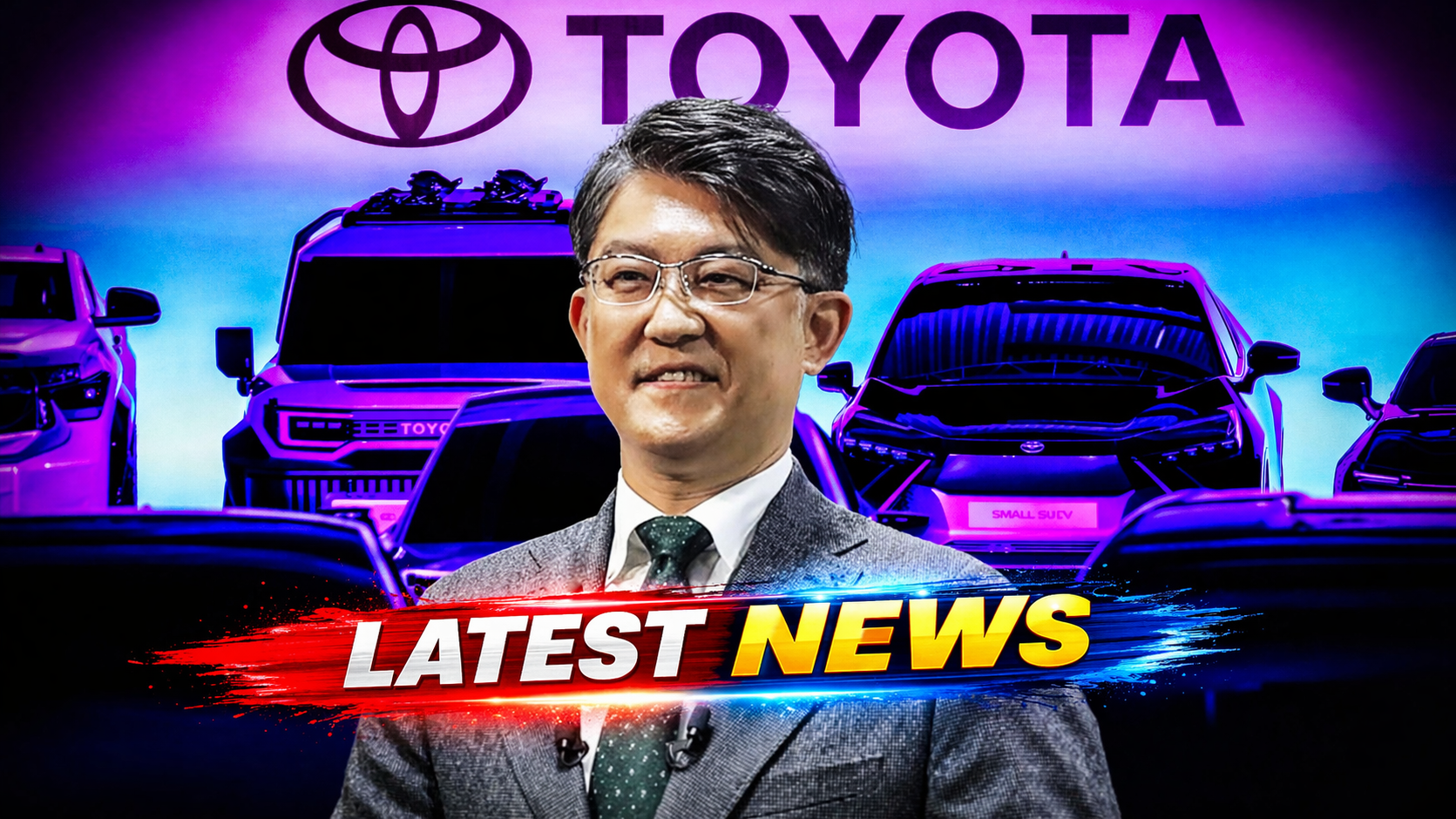
The global automotive industry is changing faster than ever, and one of the strongest signals of this shift has come from Koji Sato. The Toyota CEO has issued a clear warning to 484 of the company’s top suppliers: if they want to survive in the electric vehicle (EV) era, they must rethink their strategies and significantly improve productivity.
This is not just a routine business update. It reflects a deep transformation that is already affecting countries like Germany, where the automotive sector plays a major role in the economy.
A Turning Point for the Auto Industry
The statement by Koji Sato highlights a critical moment for the industry. Traditional car manufacturing, which relied heavily on internal combustion engines, is rapidly shifting toward electric mobility. This change is not gradual anymore—it is happening at scale.
In Germany, where brands like BMW, Mercedes-Benz, and Volkswagen dominate, the EV transition is already reshaping supply chains. Suppliers who once focused on engine parts are now facing declining demand.
Koji Sato’s message makes it clear: the old way of working will not be enough.
Why Suppliers Are Under Pressure
Suppliers are the backbone of any automaker. They provide essential components, from small mechanical parts to advanced electronics. But EVs require a completely different set of components.
Key challenges suppliers are facing:
- Reduced demand for traditional engine parts
- Increased demand for batteries and electronic systems
- Pressure to lower costs while improving quality
- Need for faster innovation cycles
For many suppliers in Germany, this means investing heavily in new technologies. Without this shift, survival will become difficult.
What Koji Sato Really Means by Strategy Change
When Koji Sato talks about changing strategy, he is not just referring to minor improvements. He is pointing toward a complete transformation.
Suppliers must focus on:
- Electrification: Moving toward EV-related components
- Digitalization: Using smart manufacturing and data analytics
- Efficiency: Producing more with fewer resources
- Flexibility: Adapting quickly to market demands
This is a major shift, especially for companies that have been operating in the same way for decades.
Impact on Germany’s Automotive Ecosystem
Germany is one of the biggest automotive hubs in the world. Any major change in the industry directly affects thousands of businesses and jobs.
Koji Sato’s warning is highly relevant here because:
- German suppliers are deeply connected with global automakers
- The EV transition is strongly supported by government policies
- Competition from global EV players is increasing
For German suppliers, this is both a challenge and an opportunity. Those who adapt can become leaders in the EV supply chain. Those who don’t may struggle to stay relevant.
Rising Global Competition
Another reason behind this warning is the rise of new competitors. EV-focused companies are entering the market with advanced technology and aggressive pricing strategies.
These companies operate with:
- Leaner supply chains
- Faster production cycles
- Strong focus on innovation
To compete with them, traditional automakers like Toyota need highly efficient suppliers. This is why Koji Sato is pushing for immediate change.
Toyota’s Future Vision
Toyota is no longer just experimenting with electric vehicles—it is now accelerating its EV plans. The company is investing in:
- Battery development
- Electric platforms
- Software-driven vehicles
This transformation requires a strong and future-ready supply chain. Koji Sato wants suppliers to align with this vision and move at the same speed.
Challenges Ahead for Suppliers
The road ahead is not easy. Suppliers face multiple challenges:
- High cost of upgrading technology
- Uncertainty in EV market demand
- Need for skilled workforce
- Maintaining profitability during transition
For smaller suppliers, these challenges can be even more difficult. Some may need partnerships or mergers to survive.
Opportunities in the EV Era
Despite the challenges, the EV transition also brings new opportunities:
- Growth in battery and electronics sector
- Increased demand for software and smart systems
- Expansion into global EV markets
Suppliers who invest early and adapt quickly can benefit significantly.
What This Means for the Future
Koji Sato’s warning is not just about Toyota—it reflects a global trend. The automotive industry is moving toward a more competitive and technology-driven future.
Key takeaways:
- Productivity is now a survival factor
- Innovation is no longer optional
- Speed and adaptability are critical
For Germany, this shift could redefine the entire automotive landscape.
Conclusion
The message from Koji Sato is clear and direct: evolve or risk being left behind. As the EV revolution gains momentum, suppliers must rethink their strategies, invest in new technologies, and improve efficiency.
For the German automotive ecosystem, this is a moment of transformation. The decisions made today will determine who leads the industry tomorrow.
In the end, survival in the EV era will depend on one thing—how quickly companies are willing to change.