Vehicle recalls are an important part of automotive safety, ensuring that potential manufacturing defects are corrected before they lead to accidents or expensive repairs. If you own a Subaru Ascent, Subaru Forester, or Subaru Crosstrek, staying informed about recall announcements can help protect both your vehicle and your family.
This guide explains everything you need to know about the Subaru Ascent Forester Crosstrek recall, including why recalls happen, which vehicles may be affected, how to check your VIN, and what owners should do next.
What Is a Vehicle Recall?
A vehicle recall is issued when a manufacturer discovers that a vehicle may contain a defect related to safety, emissions, or federal regulations. Once a recall is announced, the manufacturer typically repairs the problem free of charge at authorized dealerships.
Recalls may involve:
- Engine components
- Airbags
- Braking systems
- Electrical wiring
- Steering components
- Fuel systems
- Software updates
- Suspension parts
Why Are Subaru Vehicles Recalled?
Subaru has built a strong reputation for producing reliable and safe vehicles. However, like every major automaker, Subaru occasionally issues recalls when a manufacturing defect is identified.
Possible reasons include:
- Faulty electrical systems
- Software programming issues
- Airbag system malfunctions
- Brake performance concerns
- Steering component defects
- Fuel system leaks
- Suspension issues
- Camera or sensor calibration errors
Not every Subaru vehicle is affected, and recalls usually apply only to certain production dates or VIN ranges.
Subaru Ascent Recall Overview
The Subaru Ascent is Subaru’s largest SUV and is designed for families needing three-row seating.
Potential recall categories may include:

- Electrical system inspections
- Engine software updates
- Fuel system components
- Brake system inspections
- Safety sensor recalibration
Owners should monitor official Subaru recall notices to determine whether their specific VIN is included.
Subaru Forester Recall Overview
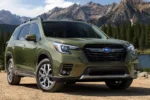
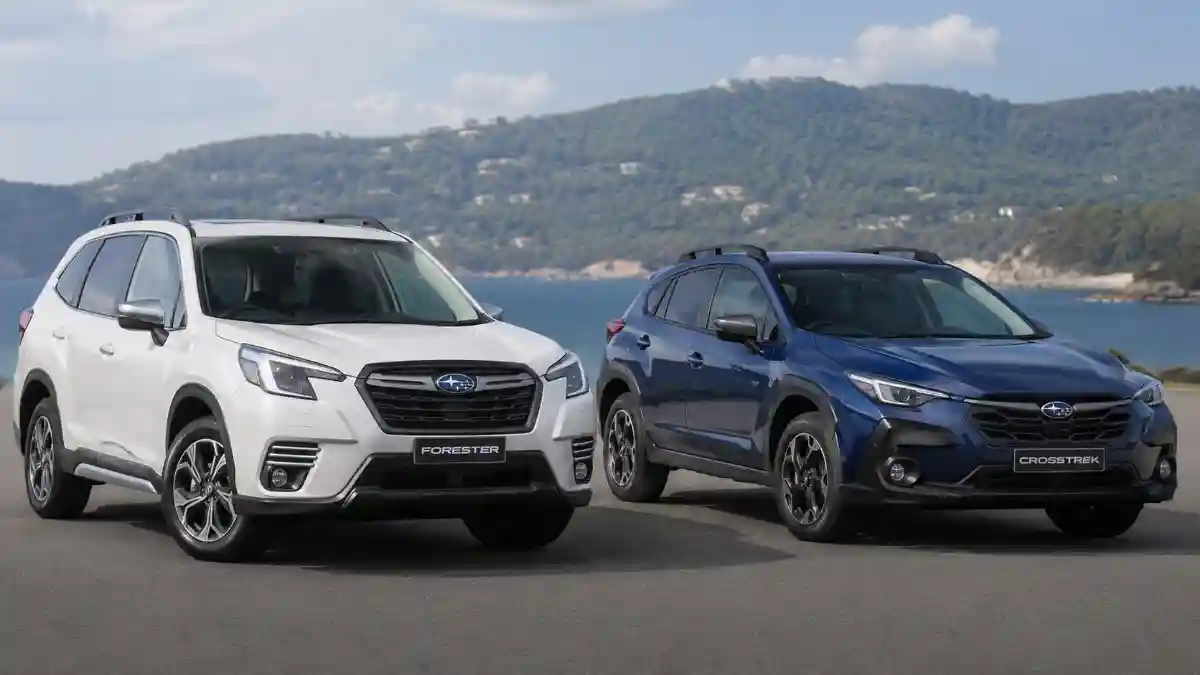
The Subaru Forester remains one of Subaru’s most popular compact SUVs.
Common recall categories can include:
- Airbag system updates
- Brake component inspections
- Electrical wiring repairs
- Steering system checks
- Suspension component replacement
Many recalls are preventive and may not indicate that every vehicle will experience a failure.
Subaru Crosstrek Recall Overview
The Subaru Crosstrek combines SUV practicality with compact dimensions.
Possible recall concerns may involve:
- Software updates
- Dashboard warning systems
- Electrical connectors
- Steering inspections
- Safety sensor recalibration
Authorized Subaru dealerships perform recall repairs without charging owners.
Which Subaru Models Could Be Affected?
Depending on the recall campaign, affected vehicles may include:

- Subaru Ascent
- Subaru Forester
- Subaru Crosstrek
The exact vehicles depend on:
- Production year
- Manufacturing plant
- Build date
- Vehicle Identification Number (VIN)
Warning Signs That Should Not Be Ignored
Even if your vehicle has not been recalled, contact a dealership if you notice:
- Dashboard warning lights
- Brake warning messages
- Steering becoming unusually stiff
- Engine hesitation
- Fuel smell
- Electrical accessories not working properly
- Unexpected warning chimes
These symptoms do not necessarily mean your vehicle is recalled but should be inspected promptly.
How to Check If Your Subaru Is Recalled
The easiest way is by using your vehicle’s 17-character VIN.
You can find your VIN:
- On the driver’s side dashboard
- Inside the driver’s door frame
- On your registration documents
- On your insurance paperwork
After locating the VIN:
- Visit Subaru’s official recall website.
- Enter your VIN.
- Review any open recalls.
- Schedule a repair if necessary.
What Happens During a Recall Repair?
Recall repairs are completed by certified Subaru technicians.
Depending on the recall, technicians may:

- Replace defective parts
- Update vehicle software
- Inspect safety components
- Reprogram electronic control modules
- Test vehicle systems
- Verify proper operation after repairs
Most recall repairs are completed within a few hours, though some may require ordering replacement parts.
Is the Repair Free?
Yes.
For official safety recalls, Subaru repairs eligible vehicles at no cost to the owner.
This generally includes:
- Parts
- Labor
- Software updates
- Safety inspections
Can You Continue Driving?
Whether you should continue driving depends on the nature of the recall.
If the recall involves:
- Airbags
- Brakes
- Steering
- Fuel leaks
- Fire risk
You should contact a Subaru dealer immediately for guidance.
If the recall is for a software update or inspection, your dealer can advise whether the vehicle remains safe to drive until your appointment.

How Long Does Recall Service Take?
Repair times vary depending on the recall.
Typical estimates include:
- Software update: 30–60 minutes
- Inspection: About 1 hour
- Component replacement: 2–4 hours
- Major repairs: May require additional time if parts must be ordered
Tips for Subaru Owners
To keep your Subaru safe:
- Check recall status regularly.
- Keep your contact information updated with Subaru.
- Do not ignore warning lights.
- Complete recall repairs as soon as possible.
- Maintain regular servicing according to Subaru’s maintenance schedule.
Frequently Asked Questions (FAQs)
Are all Subaru Ascents recalled?
No. Only specific vehicles included in an official recall campaign are affected.
Are recall repairs really free?
Yes. Official safety recall repairs are performed without charge for eligible vehicles.
How do I know if my Subaru is included?
Use your vehicle’s VIN on Subaru’s official recall checker.
Can a used Subaru still have an open recall?
Yes. Even if you purchased the vehicle used, an open recall may still apply.
Will a recall affect resale value?
Completing recall repairs can help maintain buyer confidence and ensure the vehicle meets safety standards.
Final Thoughts
The Subaru Ascent Forester Crosstrek recall highlights the importance of staying informed about your vehicle’s safety status. Recalls are a normal part of the automotive industry and are designed to address potential issues before they become serious problems.
If you own a Subaru Ascent, Forester, or Crosstrek, regularly check your vehicle’s recall status using the VIN, respond promptly to recall notifications, and schedule repairs through an authorized Subaru dealership. Keeping your vehicle up to date with recall repairs helps ensure safer driving, protects your investment, and provides greater peace of mind.